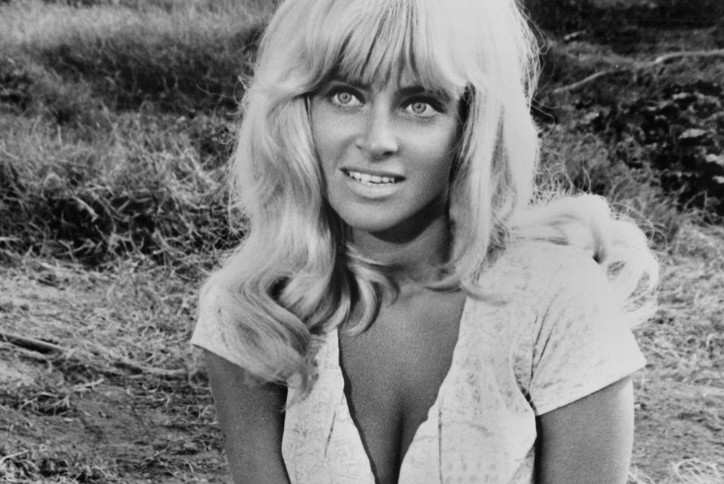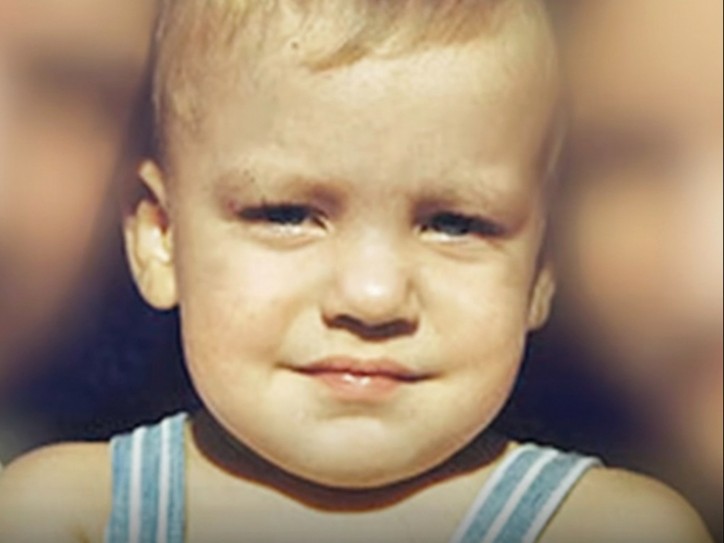
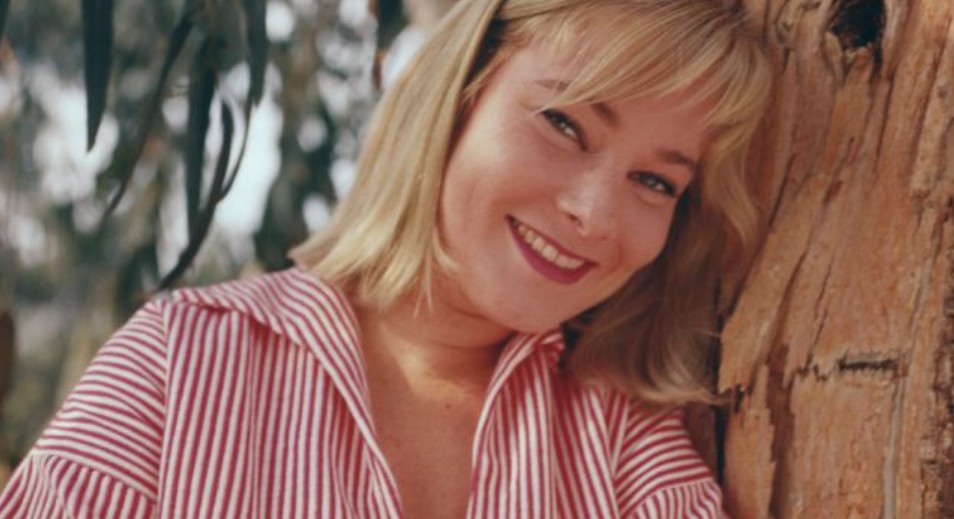
She was more than just a beautiful face on the screen — she was a woman who dared to live ahead of her time. Her life unfolded far from scandal at first, yet destiny would later place her at the very center of one of America’s most painful cultural battles. For decades, her name resurfaced whenever courage, sacrifice, and broken barriers were mentioned in the same breath.
Born in Europe, raised far from spotlights and red carpets, she never planned on becoming an international star. Her journey began almost by accident, discovered while working behind the scenes rather than in front of a camera. What followed was a rapid rise through European cinema and an unexpected invitation to Hollywood — a dream many chased, but few survived. Audiences admired her elegance, directors praised her discipline, and magazines predicted a future filled with awards and fame.
But fame, for her, came at a devastating cost.
At the height of her career, she made a personal choice that would ignite outrage across the United States. In an era when love itself could be deemed illegal, she stood firm — despite threats, professional punishment, and the slow dismantling of her career. Studios turned away, doors quietly closed, and a woman once celebrated was suddenly treated as untouchable. Yet she never publicly expressed regret.
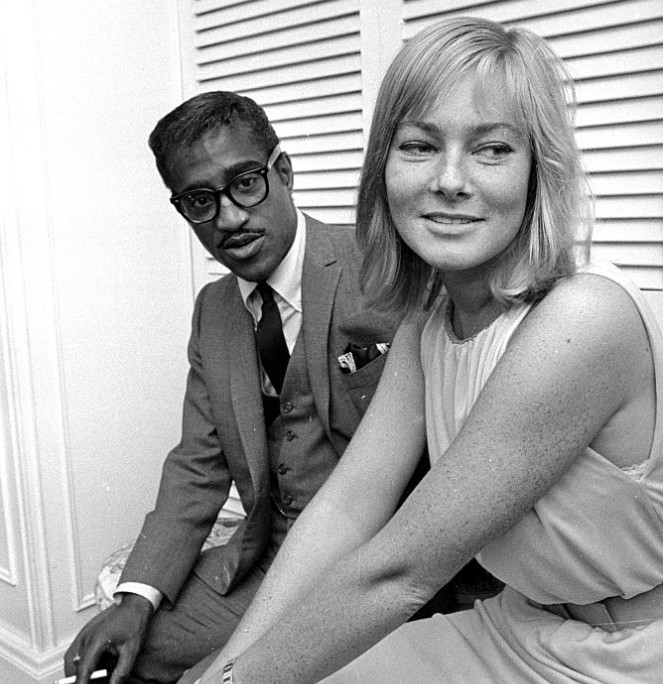
Only now do we say her name openly: this remarkable woman was May Britt.
The Swedish-born actress passed away at 91, leaving behind a legacy far greater than her filmography. She became a symbol of quiet resistance, known not only for her performances opposite Hollywood legends, but for a marriage that challenged America’s racial laws and conscience. Though her acting career was cut short, her courage reshaped conversations that echo even today.
May Britt lived her later years away from the spotlight, choosing art, family, and peace over fame. She is survived by her sons and grandchildren — and remembered as a woman who paid a personal price so others wouldn’t have to.