

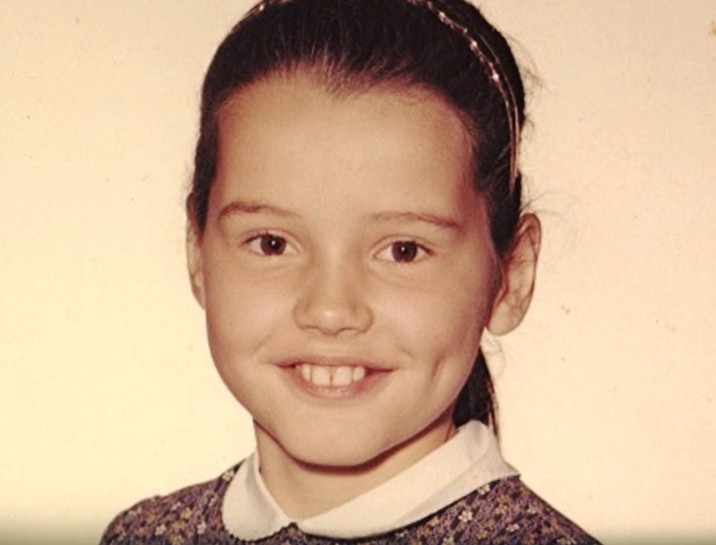
Only many years later did the world learn that behind the glow of a Hollywood star was a little girl raised to be “polite” at any cost. Those early wounds didn’t break her — strangely, they hardened her. They forged a quiet strength that directors, producers, and audiences around the world would one day recognize. And then it became impossible not to notice the name that came to define an era: Geena Davis.
Raised in an extremely sheltered, almost Amish-like New England household, she felt drawn to performance from an early age, even without understanding how one entered that world. Her height made her a target for teasing at school, but it also taught her resilience. Education, a year studying in Sweden, and modeling work in New York all seemed like random steps — until one photograph in a catalog caught a director’s eye.
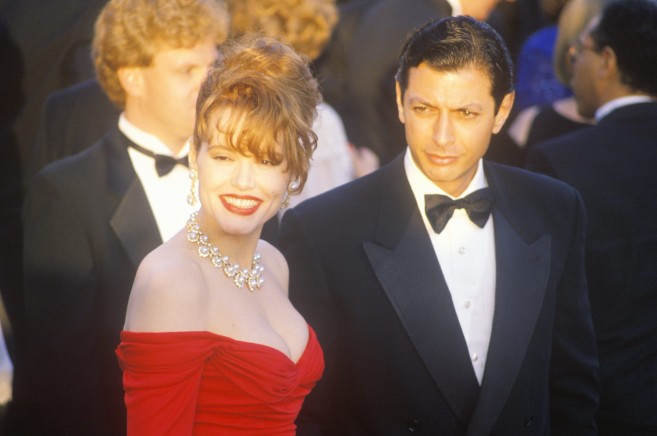
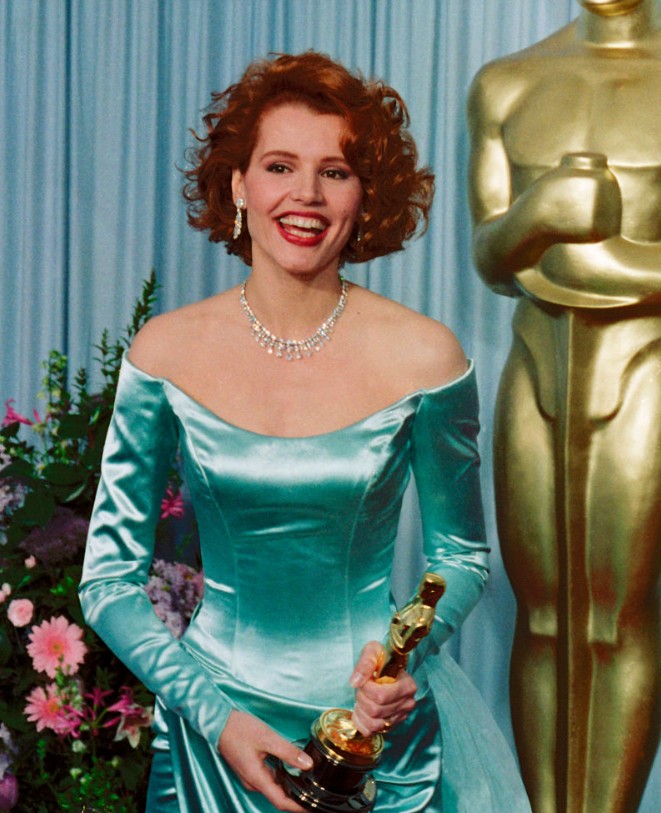
What followed was a meteoric rise: iconic films, an Oscar, and roles that reshaped how women were portrayed on screen. Yet even at the height of her fame, she remained someone who had once learned to stay silent instead of scream. Perhaps that is why, later in life, she chose to speak — about inequality, trauma, and the right to be heard. And maybe her most powerful role began only after the spotlight started to fade.