

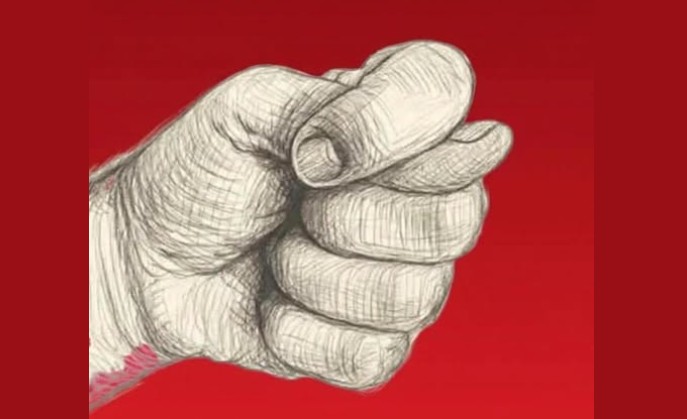
Long before smartphones and instant messaging, people often relied on body language and hand signals to express themselves quickly and discreetly. In many rural communities across Europe, the fig gesture became a subtle way to communicate disagreement or politely refuse a request without creating unnecessary conflict. Instead of raising their voices or starting an argument, people could simply make the gesture from a doorway or window to send a clear message.
Its quiet nature made it especially useful in situations where staying calm was more important than winning a debate. Over time, the gesture became associated with standing firm while remaining respectful, showing that confidence and restraint could sometimes be more effective than confrontation.
The history of the fig gesture extends even further back, with several cultures giving it symbolic and protective meanings. In parts of Eastern Europe and Russia, many people believed it could help guard against bad luck or negative intentions. The closed fist was seen as a symbol of hidden strength, while the tucked thumb represented a small protective charm.
As generations passed, the gesture gradually found its way into everyday family life. Parents and grandparents sometimes introduced it to children as part of playful traditions or harmless teasing among friends. For many, it became a lighthearted gesture that helped settle small disagreements with humor rather than harsh words, creating memories that lasted well into adulthood.
Today, the fig gesture is no longer a common part of daily communication, having been replaced by text messages, emojis, and more direct ways of expressing emotions. Even so, it continues to hold a special place in cultural history and family memories. Some people still use it jokingly with close friends, while others remember learning it from older relatives who passed down traditions from one generation to the next.
Its story reminds us that communication has always been about more than words alone. Simple gestures can reflect history, personality, and shared experiences in ways that are both meaningful and memorable. Looking back at customs like the fig gesture offers a fascinating glimpse into how people once connected with one another, proving that even the smallest movements can carry lasting cultural significance