

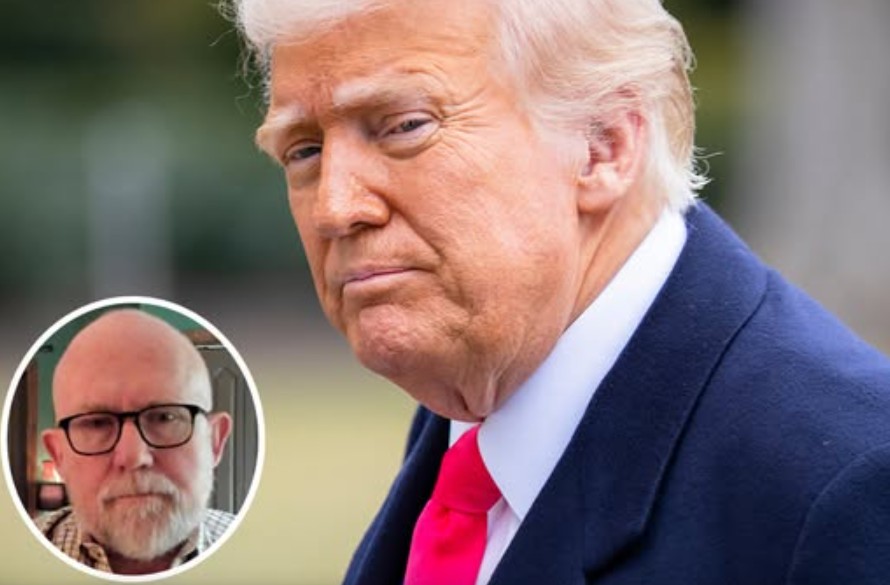
There’s also the issue of past disclosure. Between 2018 and 2025, Trump’s team shared very little cognitive data, relying mostly on an old 2018 MoCA score (30/30). The 2025 release changed that with full vitals and neurological results, arriving just as age and mental sharpness became central topics in the campaign.
Public perception, however, isn’t based solely on medical charts. Journalists and analysts have noted that Trump, like many aging leaders, is navigating a spotlight that mixes health, performance, and legacy. While his doctor’s report states he is healthy and fit, others point to behavioral patterns seen in speeches, interviews, and debates. These observations may not prove anything medically, but they still matter in a democracy where voters evaluate leaders by both data and demeanor.
For voters trying to assess fitness, a balanced approach helps:
On one side, place the clinical findings—specialist exams, normal screenings, weight loss, and stable vitals.
On the other, consider his public performance over time—his communication, decision-making, and stamina on the trail.
Avoid judging based on a single clip or document. Look at trends. The April report improved transparency, but the long-term public record will shape the final verdict.