

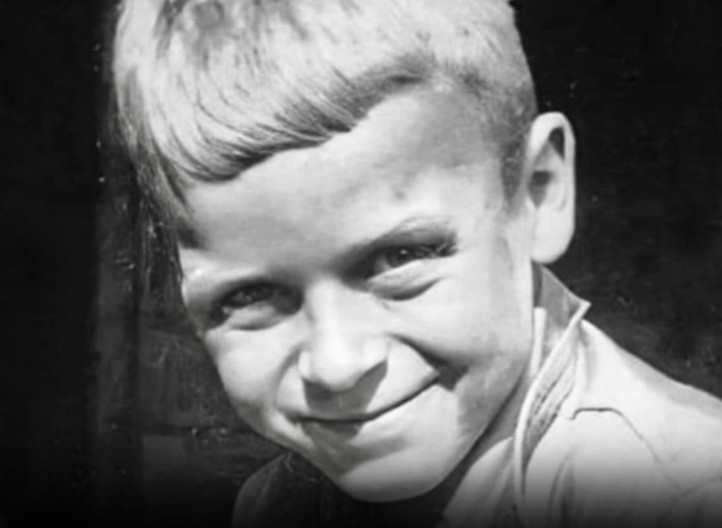
The truth is, this boy was Ted Bundy.

Long before his name became synonymous with horror, Bundy was learning how to wear a mask. As a young man, he was articulate, charming, and intelligent — traits that helped him blend in effortlessly. He attended college, volunteered on a suicide prevention hotline, and spoke with confidence about politics and law. To strangers, he seemed trustworthy. To his victims, that illusion proved fatal.
Between the mid-1970s and late 1970s, he hunted young women across multiple states. He pretended to be injured. He posed as an authority figure. He exploited kindness. Survivors later described how easily he disarmed them — not with force at first, but with words and a smile. By the time suspicion arose, it was often too late.
Bundy would eventually confess to killing at least 30 women, though investigators believe the true number may never be known. His crimes shocked the nation not only for their brutality, but because of who committed them. America struggled to reconcile the monster with the boy who once seemed so ordinary.
That is what makes his story so disturbing. Not just the violence — but the reminder that evil doesn’t always announce itself. Sometimes, it grows quietly, behind a polite smile, in a life that looks painfully normal from the outside.