

He looked like the perfect little boy from a family photo: neat, calm, and exceptionally bright. Teachers saw him as a future genius, while neighbors viewed him as the pride of the family. No one could have imagined that behind that sweet face, something deeply disturbing was quietly taking shape.
From an early age, his abilities were astonishing: an extraordinary IQ, multiple skipped grades, and admission to a prestigious university at just 16. But alongside the admiration came loneliness, bullying, and the growing sense that he would always remain an outsider.
Where brilliance opens doors to greatness for some, for him it became a trap. Isolation, emotional distance, and a deep resentment toward society slowly changed him from within, turning a brilliant mind into a cold and calculated weapon.
Only later did the world learn that this was Ted Kaczynski — the man history would remember as one of the most dangerous terrorists of the 20th century, better known as the Unabomber. His story began almost perfectly: born in Chicago to a simple working-class family, he grew up as an obedient and gifted child with a passion for mathematics, music, and science. But behind the façade of a “wonder child,” a profound inner conflict was already building.
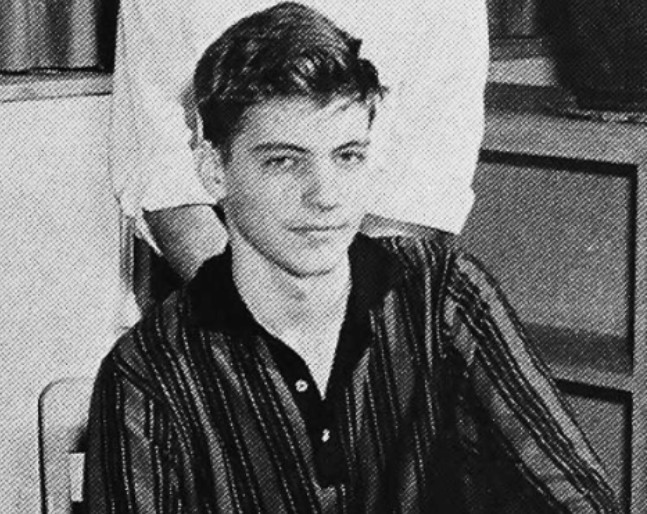
After Harvard and a brilliant PhD, he became the youngest professor in Berkeley’s history. It seemed as though academic greatness was inevitable. Then, without warning, he abandoned everything: the prestigious career, the colleagues, the university life — and vanished into the remote forests of Montana, where he built a tiny cabin with no electricity or running water. It was there that his beliefs fully radicalized.
His hatred of technological progress and modern society evolved into a personal war against the world. Over 17 years, he mailed homemade bombs to universities, airlines, stores, and people he believed symbolized the “technological system.” His attacks killed three people and left dozens more permanently injured. Each explosion deepened the fear, while the FBI spent years unable to identify the mysterious bomber.
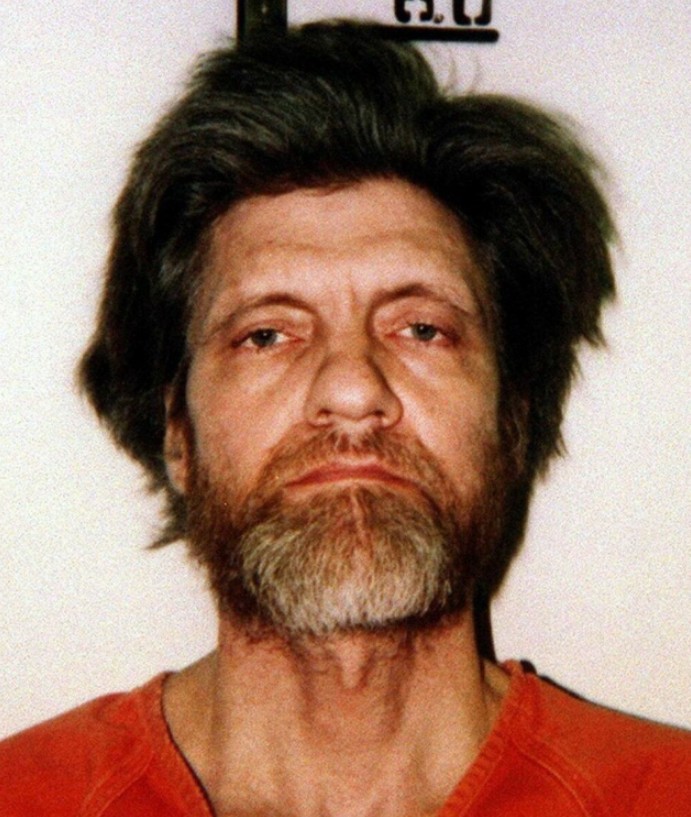
The breakthrough came only after the publication of his manifesto. It was his own younger brother who recognized the familiar language and mindset in the text, then alerted investigators. Inside the Montana cabin, agents discovered bomb materials, detailed plans, tools, and thousands of pages of journals in which he meticulously documented his “experiments.” The sweet-looking boy from childhood photographs had become a symbol of cold, calculated evil — Ted Kaczynski, the Unabomber.