

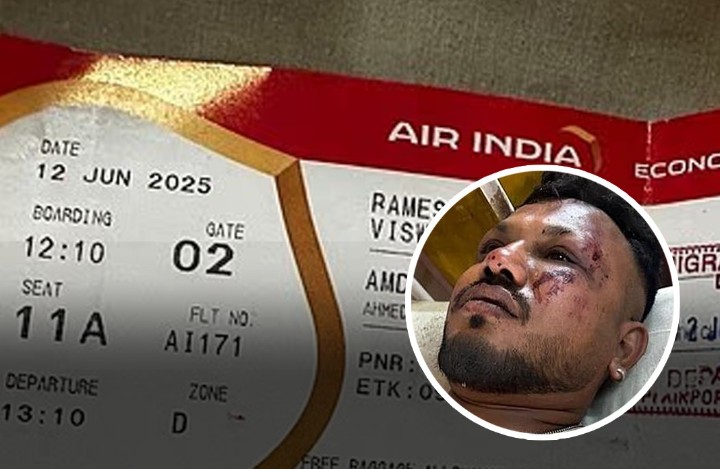
The bulkhead row that Mr Ramesh, who’s from Leicester, sat in would been afforded him vital extra leg room that would have earned him crucial seconds to flee in the moments after the devastating impact.
Seat 11A was also adjacent to the emergency exit, offering the sole survivor the quickest route to escape, according to York University aviation expert Professor John Alexander McDermid.
The aviation expert told MailOnline that Mr Ramesh likely had less than ten seconds to flee the igniting aircraft, which was carrying a full load of fuel.
On the ill-fated Air India flight, seat 11A proved to be the ‘miracle seat’ and, while experts maintain that the safest seats on a plane is largely ‘a lottery’, based on a complex chain of events, there are some areas on every plane that have, it’s widely agreed, a stronger chance of absorbing impact – lessening the chance of passengers death or injury.
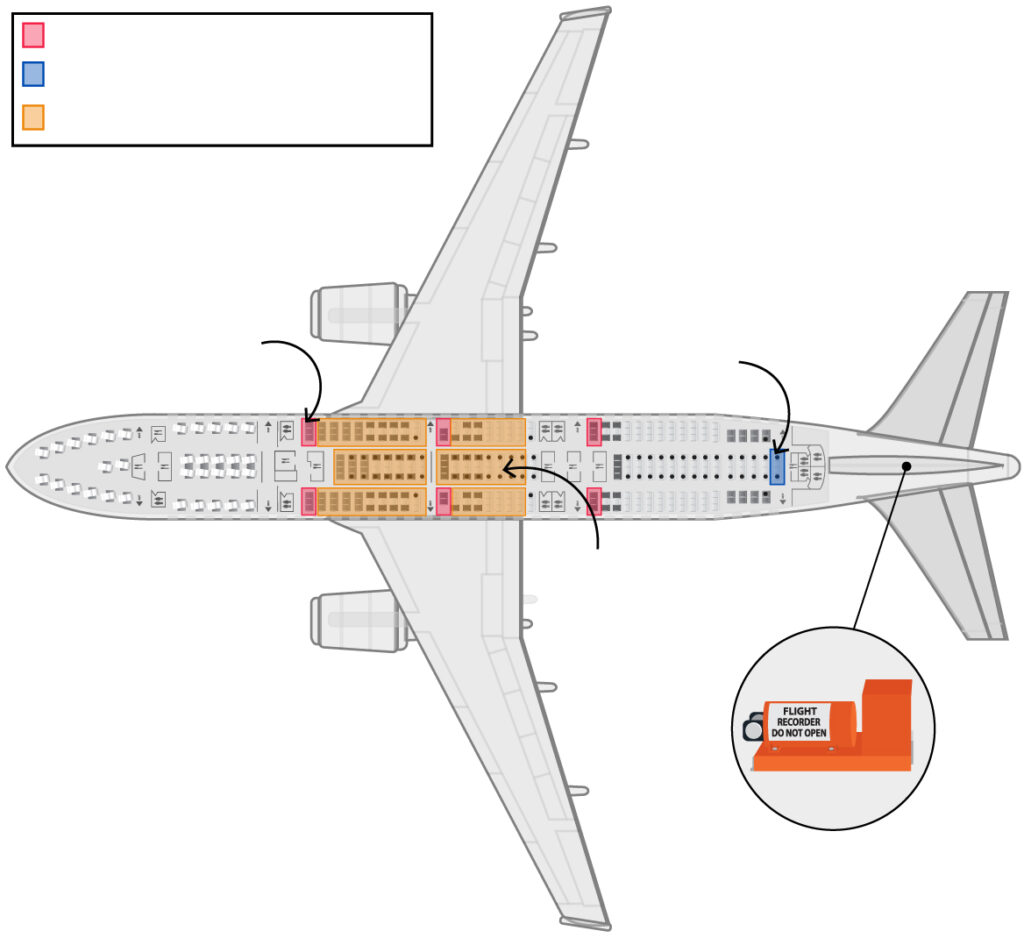
One of the best seats on an aircraft if you’re in economy from a comfort point of view, the bulkhead seats refer to the first row of seats when cabin class changes – for example, from business class to economy.
On larger aircraft, they’re often directly behind a cabin crew service area and toilets, affording more space, from a safety point of view to escape in the event of an accident.
They’re also often right next to the emergency exit doors. Mr Ramesh’s seat on the Air India flight saw him sat in 11A, which was a bulkhead seat and as close to the emergency exit door as he could be.
Залишити відповідь