
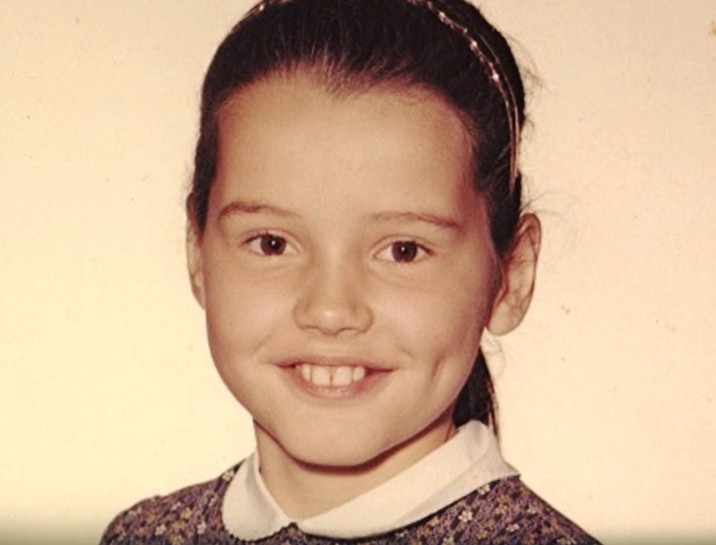
She seemed to appear in cinema almost out of nowhere — tall, unconventional, with a face impossible to confuse with anyone else’s. In the 1980s, her talent lit up the screen: roles followed one after another, critics were captivated, audiences fell in love. It looked as if her career was destined for success from the very first step.
But long before red carpets and flashing cameras, her life was shaped in the shadow of fear and silence. At just eight years old, she narrowly escaped death during a car ride with an elderly relative who repeatedly drifted into oncoming traffic. No one said a word — too polite to point out the obvious danger. That moment burned itself into her memory as an early lesson: silence can feel safer than speaking up.
Soon after came something even darker. A neighbor she delivered newspapers to took advantage of her innocence. She didn’t understand what was happening. She didn’t know it was wrong. And for years, she carried the weight of shame without the words to explain her pain. The adults’ reaction taught her another rule: you don’t talk about these things. You don’t complain. You don’t draw attention to yourself.
Only many years later did the world learn that behind the glow of a Hollywood star was a little girl raised to be “polite” at any cost. Those early wounds didn’t break her — strangely, they hardened her. They forged a quiet strength that directors, producers, and audiences around the world would one day recognize. And then it became impossible not to notice the name that came to define an era: Geena Davis.
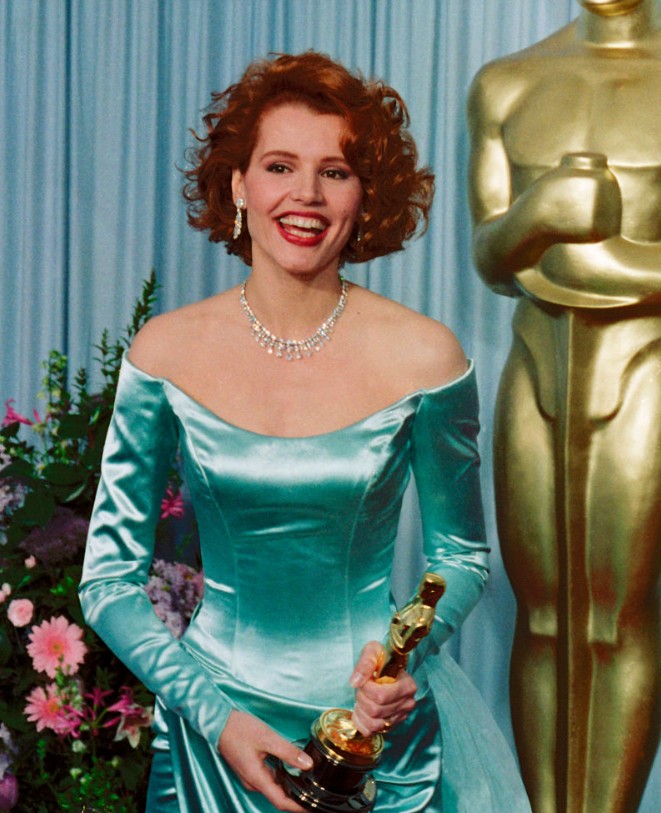
Raised in an extremely sheltered, almost Amish-like New England household, she felt drawn to performance from an early age, even without understanding how one entered that world. Her height made her a target for teasing at school, but it also taught her resilience. Education, a year studying in Sweden, and modeling work in New York all seemed like random steps — until one photograph in a catalog caught a director’s eye.
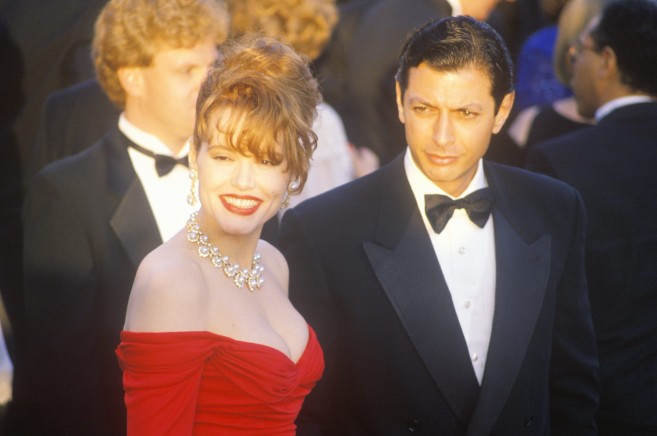
What followed was a meteoric rise: iconic films, an Oscar, and roles that reshaped how women were portrayed on screen. Yet even at the height of her fame, she remained someone who had once learned to stay silent instead of scream. Perhaps that is why, later in life, she chose to speak — about inequality, trauma, and the right to be heard. And maybe her most powerful role began only after the spotlight started to fade.