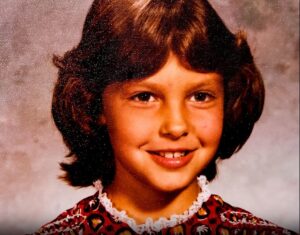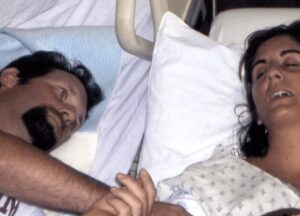
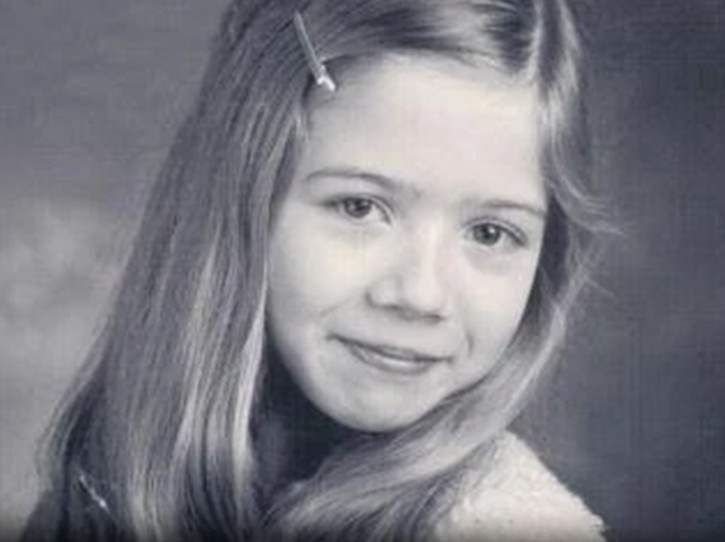
She appeared on television screens long before she could even pronounce her own name. It seemed as if the world adored her from the very beginning — smiling, bright, and endlessly talented, she quickly became a beloved child star. But no one imagined that behind this glowing smile hid a life any adult would collapse under.
Everyone admired her success, yet at the very same time she endured things no one should ever face. While the world celebrated her roles, at home she lived in chaos, filth, and fear, following the orders of the one person who was supposed to protect her. From early childhood, she was isolated, cut off from friends and normal life — growing up in a house with no space for air, safety, or boundaries.
She was the little star adored by the public and exploited by Hollywood. But what happened behind the closed doors of her home was far worse than anything the industry demanded of her. Her mother, who lost control after battling cancer, turned her daughter’s life into a cycle of humiliation, manipulation, and suffocating “perfection.” And the cruelest blow came later: the man she had called her father for years wasn’t her biological parent — a revelation that shattered what little stability she had left.
And only now, years later, did she finally dare to tell her truth.
All of this — the entire painful journey — belongs to Jennette McCurdy, the former Nickelodeon star who went from child icon to a woman who escaped her own private hell.
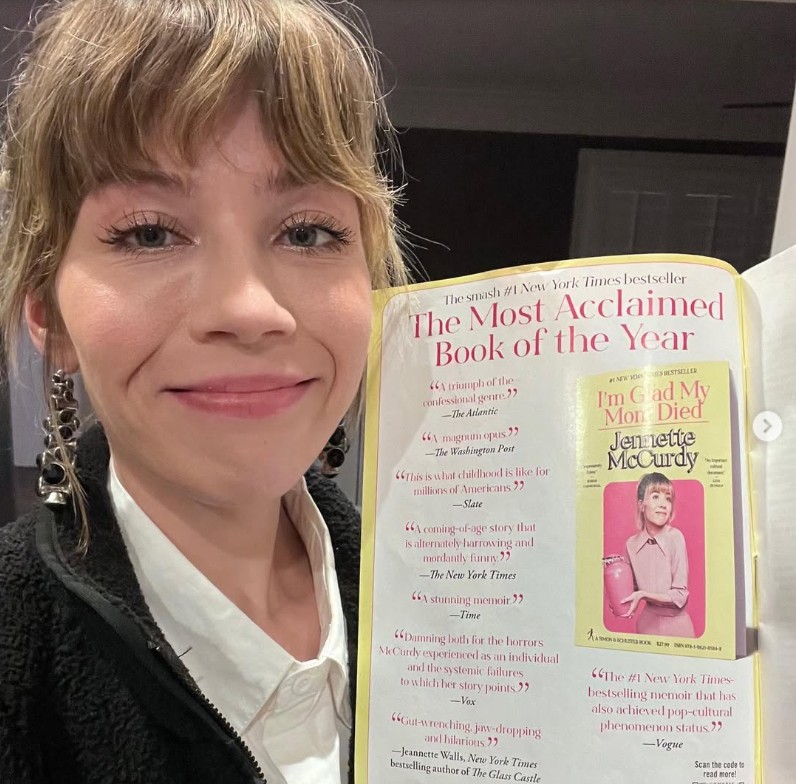
Her childhood unfolded among piles of hoarded trash and relentless maternal control. The house was so cluttered that the children slept on gymnastics mats in the living room because their bedrooms had long disappeared under mountains of junk. Her mother dictated everything: what Jennette ate, how she looked, what she thought, and even when she was allowed to shower — a rule that lasted well into her late teens. She pushed her into acting not out of passion, but because her daughter’s income could save the family financially.
Success came early, and it became her curse. Behind the scenes were tears, anxiety, eating disorders, constant humiliation, and “mentors” who took advantage of a child’s vulnerability. Even at the height of her fame, her mother held her in a grip of fear and control, while the industry looked away — because money and ratings mattered more than a child’s well-being.
After her mother’s death, the world finally widened for her. But freedom came with a devastating truth: the man she had known as her father had no biological connection to her. Only later, after meeting her real father — a jazz musician — did she begin to understand the full scope of the lies surrounding her childhood.
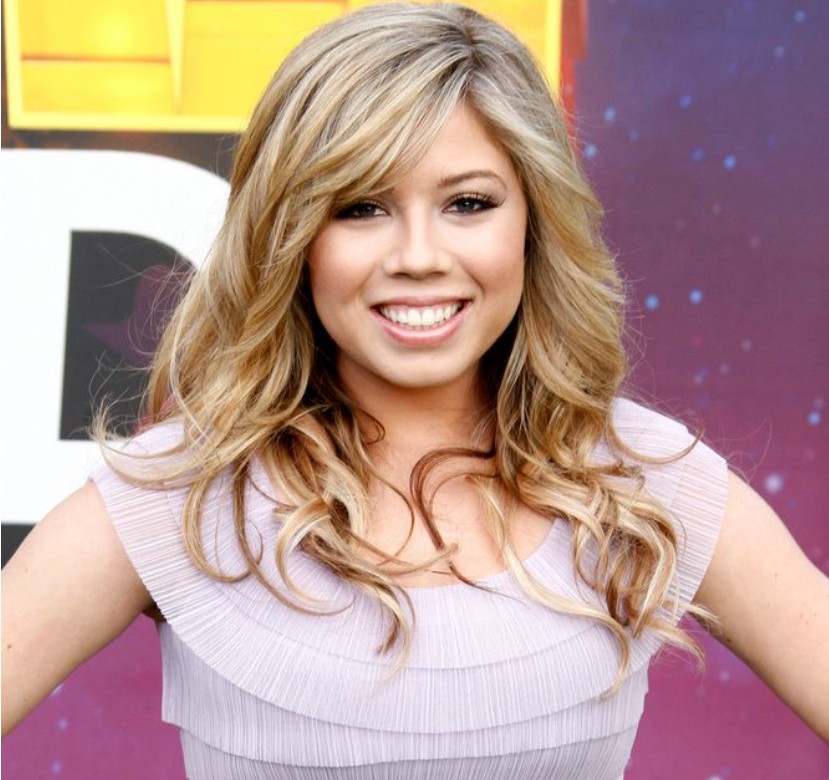
And yet, she survived.
More than that — she healed.
Today, Jennette has left Hollywood behind, wrote the bestselling memoir I’m Glad My Mom Died, is working on its screen adaptation, and finally lives life on her own terms. She speaks openly, boldly, and without censorship about how the industry exploited her and how her mother destroyed her sense of self. But most importantly, she shows that even the darkest beginnings can lead to strength.
Her journey is a reminder that sometimes the brightest light comes from the deepest darkness.