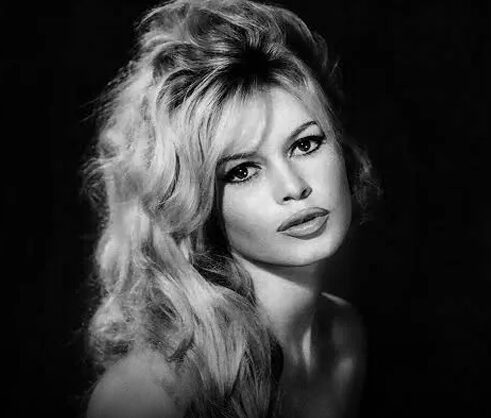
The world of cinema woke up to a sense of loss that was difficult to grasp at first. The news spread quietly, without loud headlines, yet with every passing hour it felt heavier. It concerned a woman whose presence on screen once shaped the mood of an entire era—even if not everyone realized it at the time.
She was called an icon, a symbol of freedom and defiance. She never fit into the frames others tried to build around her and always lived by her own rules. Fame came early, but with it came loneliness, pressure, and relentless attention from which there was no escape. She learned to remain silent when others shouted, and to disappear when the world demanded more of the show.
Years passed, generations changed, yet her image never faded. Even after she stepped away from cameras and red carpets, people kept talking about her—as someone who had the courage to draw a line when she could have stayed in the spotlight for much longer. She chose a different path, far from applause, but filled with purpose.
Only now has it been confirmed: Brigitte Bardot has died at the age of 91. French media reported that the legendary actress passed away on December 28, 2025. One of the most influential figures of European cinema in the 20th century, she died in France, leaving behind a complex yet profoundly powerful legacy.
She ended her film career in 1973, with 46 movies to her name and the reputation of a woman unafraid of provocative roles. For nearly half a century afterward, she devoted herself to animal rights, becoming one of the most outspoken activists in the field. Her voice was uncomfortable—but honest—and that is why it was heard.
Bardot also explored a music career, collaborating with Serge Gainsbourg, and remained a figure people returned to time and again—no longer for glamour, but for deep respect. Only with time did the true scale of her cultural impact become fully understood.
She left quietly, without scenes or farewell speeches. But her story will remain with us for a long time to come.