

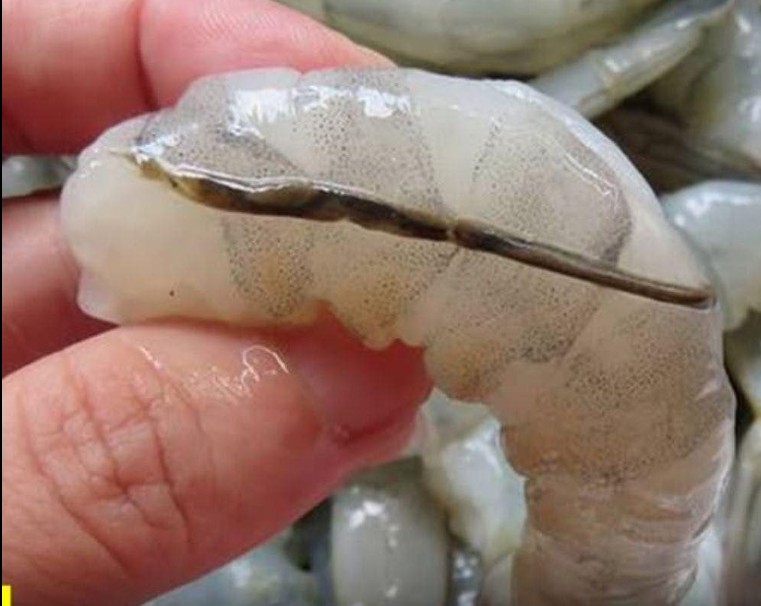
Is It Safe to Eat Shrimp Without Deveining?
From a food safety standpoint, consuming shrimp with the digestive tract intact is generally safe, provided the shrimp is fresh and thoroughly cooked. Proper cooking temperatures effectively eliminate harmful bacteria, significantly reducing health risks.
However, food safety is only one consideration. Flavor, texture, and overall dining quality are equally important.
Impact on Flavor and Texture
Many culinary professionals recommend removing the digestive tract because it can negatively affect the eating experience. When left intact, some diners detect a slightly bitter taste or a gritty texture—particularly in grilled, fried, or sautéed preparations.
Deveining typically results in a cleaner flavor profile and a smoother, more pleasant texture.
How to Devein Shrimp
Deveining is a simple process that requires minimal effort and no specialized tools:
With raw shrimp, make a shallow incision along the back and gently lift out the dark line using the tip of a knife or a toothpick.
Shrimp can also be deveined after cooking and peeling, although the firmer texture makes the process slightly more difficult.
Do All Shrimp Need to Be Deveined?
Not necessarily.
Small shrimp: The digestive tract is often barely visible and commonly left intact.
Large shrimp: The tract is more prominent and is usually removed for improved appearance and taste.
For this reason, many seafood markets sell shrimp that are already peeled and deveined for convenience.
The Other Line You Can Ignore
Shrimp also have a visible channel along the underside of their bodies. This is a blood vessel, not a digestive tract, and it does not contain waste. It poses no culinary or hygienic concern and does not need to be removed.
What the Vein May Indicate About Freshness
While not definitive, the appearance of the digestive tract can offer clues about shrimp quality:
Very dark coloration: May indicate longer storage or suboptimal handling.
Lighter coloration: Often associated with fresher shrimp or a cleaner diet.
This should be viewed as a general guideline rather than a strict rule.
Hygiene and Digestive Comfort
Although deveining is not strictly required for safety, it is widely regarded as good kitchen practice. Removing the digestive tract eliminates any residual sand or debris that could compromise texture. For individuals with sensitive digestion, it may also help prevent minor discomfort.
Final Thoughts
The shrimp “vein” is not harmful, but understanding its nature allows cooks to make informed decisions. Removing it reflects attention to detail and respect for ingredient quality. In cooking, small steps often lead to meaningful improvements—and taking a moment to devein shrimp can noticeably elevate both flavor and presentation.