

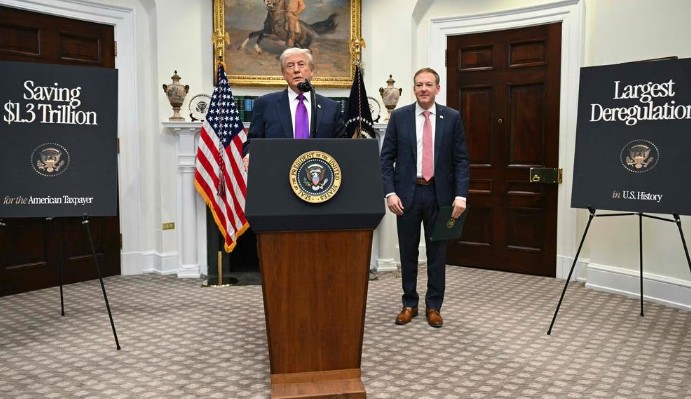
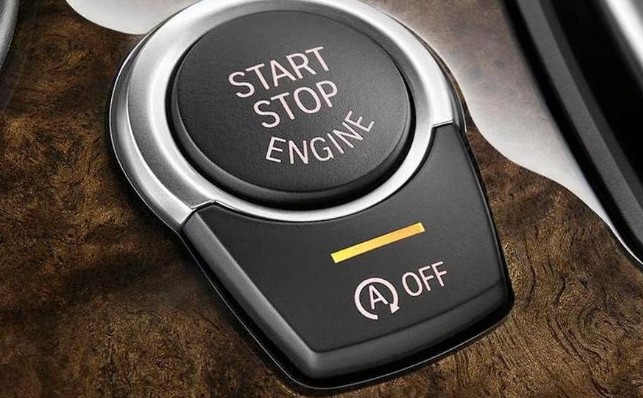
Now, a dramatic move in the United States could reshape the future of this technology. The administration of Donald Trump has announced the removal of so-called “off-cycle credits” for automakers linked to the start-stop system — the very feature that automatically shuts off a car’s engine when it comes to a stop. According to the US Environmental Protection Agency (EPA), the decision forms part of one of the largest deregulatory actions in recent years.
President Trump described previous environmental policies as “disastrous” for the American auto industry, arguing they drove up the price of new vehicles and limited consumer choice. The White House insists that easing emissions standards could lower the average cost of a new car by more than $2,400, making vehicles more accessible to millions of families.
Critics, however, were quick to respond. Representatives of the Democratic Party warned that rolling back environmental standards would weaken efforts to combat climate change and could carry long-term public health consequences. Former President Barack Obama said such changes would make the country “less safe and less prepared for climate challenges.”
The decision may not affect only the US market. If global carmakers adjust manufacturing standards to align with the new US rules, the ripple effects could extend to other regions, including Australia and Europe. While some celebrate the potential disappearance of what many call the “world’s most hated” car feature, others caution that the true cost of this shift may prove far greater than it first appears.