

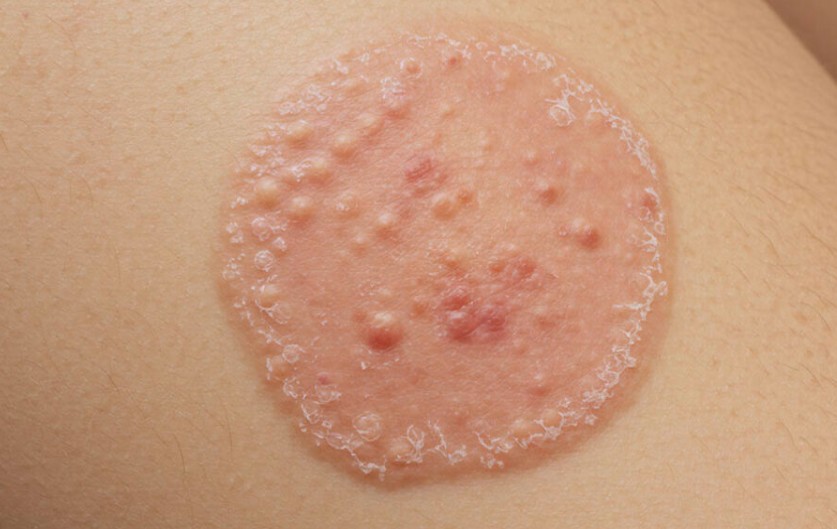
The infection often affects sweaty or exposed areas of the body. Athlete’s foot can appear between the toes, while scalp ringworm is more common among children and can spread easily in schools or sports settings. Pets may also carry the fungus, sometimes without obvious symptoms, so patchy fur loss in cats or dogs should be checked by a vet.
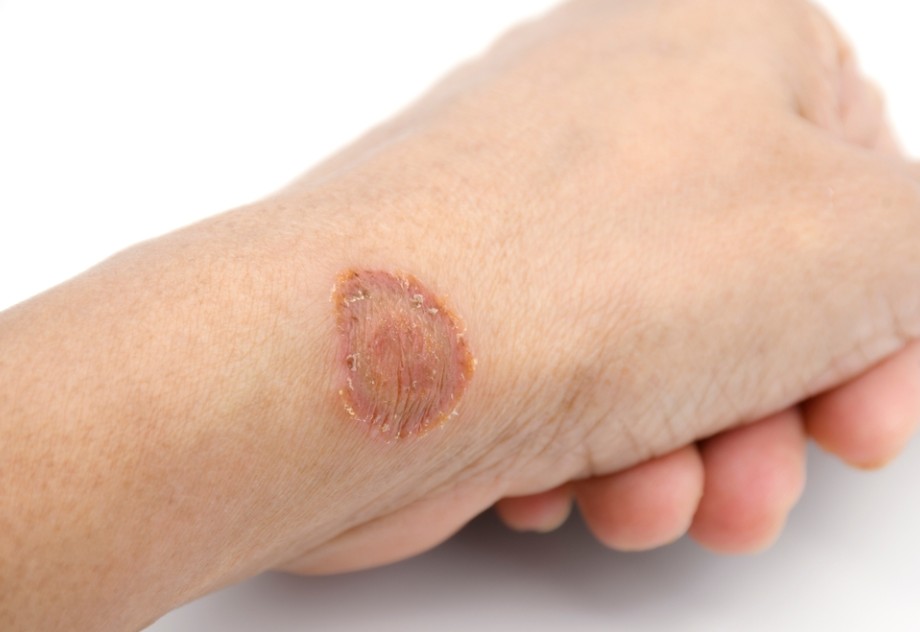
How Ringworm Looks on Different Parts of the Body
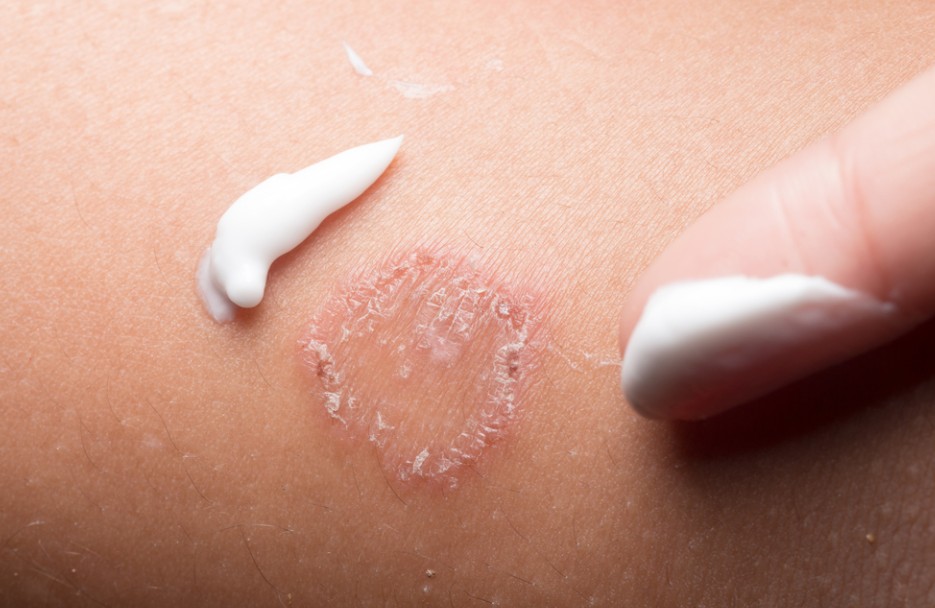
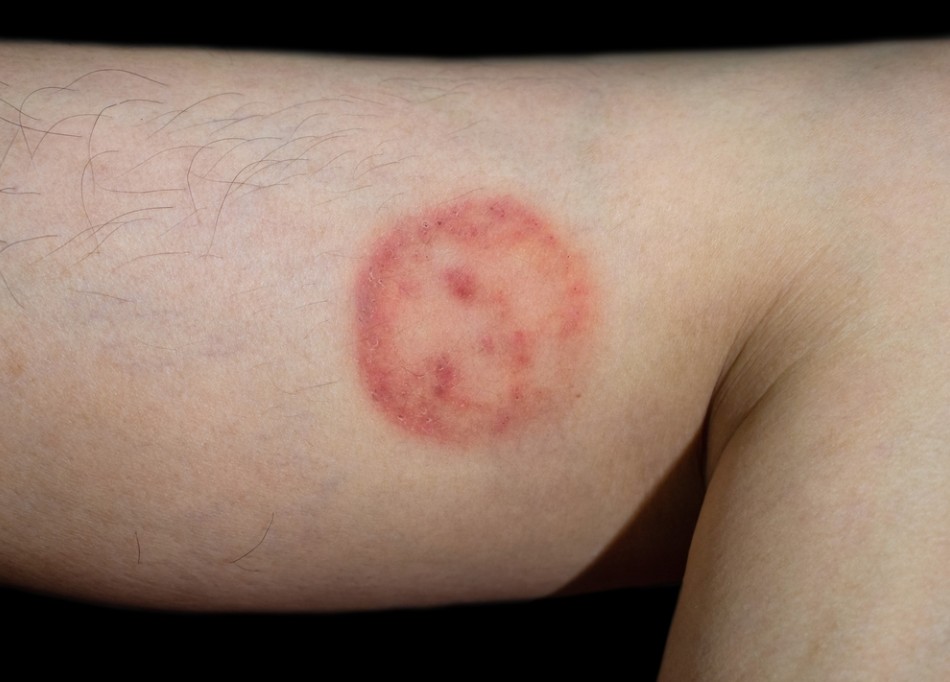
On the body, ringworm often starts as a small scaly patch that gradually grows outward. The edge may look more irritated than the center, creating a ring-like shape. It may itch, sting, or feel dry. On darker skin, the rash may look brown, gray, or darker than the surrounding skin; on lighter skin, it may appear pink or red.
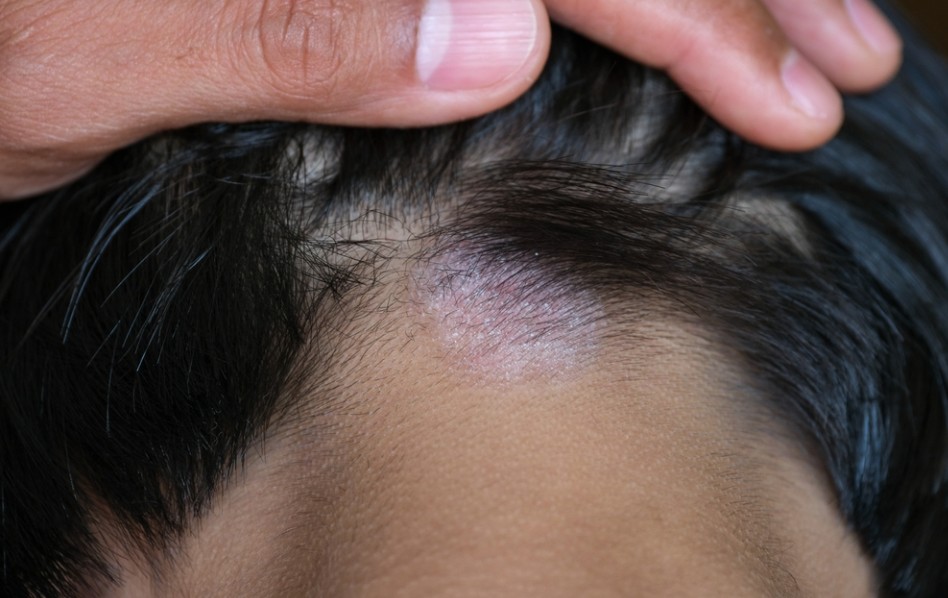
Scalp ringworm can cause flaky patches, tenderness, broken hairs, or areas of hair loss. Beard-area infections may become swollen, crusty, or painful. Foot infections can lead to cracking, itching, and soreness between the toes. Nail infections may cause nails to become thick, brittle, or discolored.
When to Treat Yourself or be Treated by a Clinician
Mild ringworm on the body or feet can often be treated with non-prescription antifungal creams, sprays, gels, or powders. Many cases improve within a couple of weeks when treatment is used correctly.
You should see a clinician if the rash is on the scalp, beard area, nails, face, or genitals, or if it is spreading, painful, oozing, or not improving after two to three weeks of proper treatment. People with diabetes, poor circulation, weakened immunity, or recurring infections should also seek medical advice early.
Simple At-Home Treatment
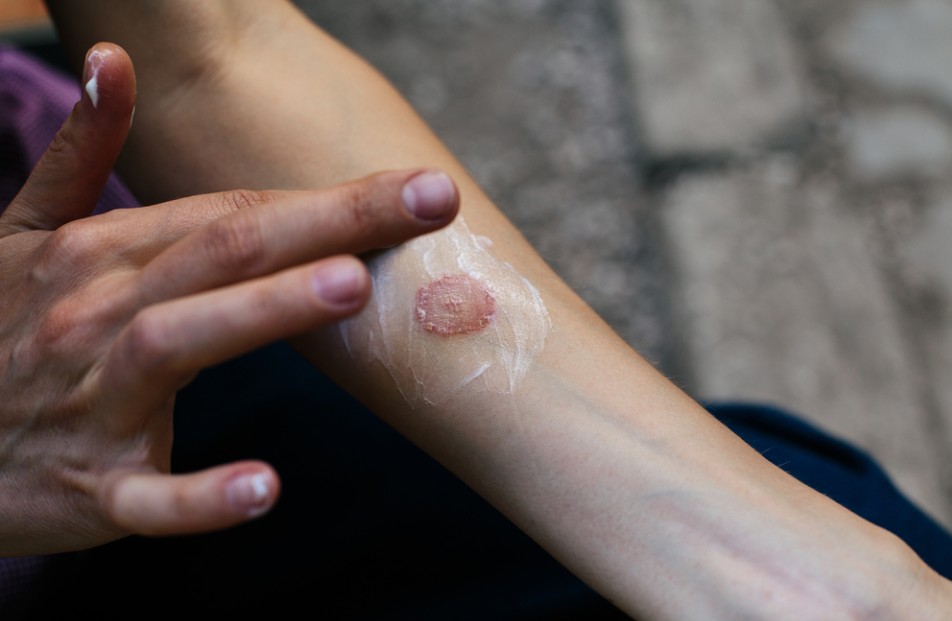
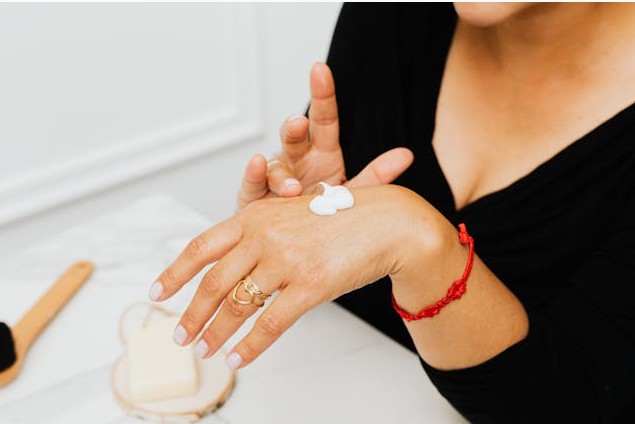
Before applying medicine, gently clean and dry the affected area. Put a thin layer of antifungal treatment over the rash and slightly beyond its edges, because the fungus may extend into skin that still looks normal. Continue treatment for the full recommended time, even if the rash starts to fade.
Keep the area dry, change sweaty clothes quickly, wash hands after touching the rash, and avoid sharing towels, hats, razors, combs, or sports gear. Do not use steroid creams on a suspected ringworm rash unless a clinician tells you to, because they can make fungal infections harder to recognize and may allow them to spread.
Over-the-Counter Options
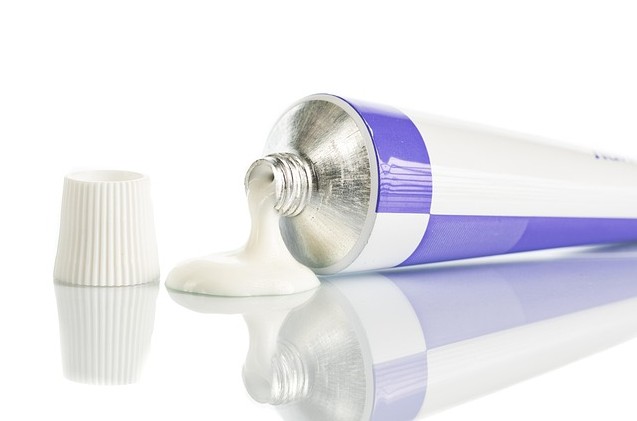
Common over-the-counter options include antifungal creams, sprays, powders, and gels. Products such as terbinafine or azole antifungals are often used for skin and foot infections. Itching may improve quickly, but the rash itself can take longer to clear. Stopping too early can allow the infection to return.
Creams alone usually do not work for scalp or nail ringworm because the fungus can get into the hair shaft or under the nail. These cases often need prescription oral medicine.
Cleaning, Laundry, and Pets

Cleaning helps prevent reinfection. Wash towels, socks, underwear, bedding, and clothing regularly, using hot water when possible, and dry everything fully. Keep bathrooms, floors, gym gear, and shared surfaces clean and dry. Avoid sharing items that touch skin or hair.
If a pet has bald patches, scaling, or skin irritation, contact a veterinarian. Wash your hands after touching animals and avoid close contact with affected areas until the pet has been treated.
Special Situations
Scalp ringworm in children usually requires prescription oral treatment, sometimes with antifungal shampoo to reduce spread. Contact-sport athletes may need to pause participation or cover active lesions until cleared by a medical professional. People with weakened immune systems can develop more widespread infections and should not wait too long before getting care.
Some infections may resist standard treatment, so stubborn or recurring cases may require testing and a different medication plan.
Getting the Diagnosis Right
Several skin conditions can look like ringworm, including eczema, psoriasis, and other rashes. If the diagnosis is unclear, a clinician may take a small skin scraping from the rash edge and examine it or send it for testing.
If an antifungal treatment does not help after consistent use, the rash may not be ringworm, or it may need stronger medication. Taking photos can help track whether the rash is improving or spreading.
How to Prevent Future Infections
Keep skin clean and dry, especially between the toes. Change socks and underwear daily, wear breathable shoes, and use sandals in locker rooms, pools, and shared showers. Clean sports equipment, helmets, and hair tools regularly. Avoid sharing towels, hats, combs, razors, or clothing.
Families should check for new itchy patches if one person has ringworm. Schools, gyms, and sports teams can reduce outbreaks by encouraging early treatment and good hygiene.
The Bottom Line
Most mild ringworm infections on the body or feet can clear with steady use of antifungal treatment and simple hygiene habits. The key is to use the medicine for the full course and keep the skin dry. See a clinician for scalp, beard, nail, widespread, painful, or stubborn infections. With the right treatment and cleaning routine, ringworm usually improves and becomes less likely to spread.
Disclaimer: This article is for general information only and is not a substitute for professional medical advice, diagnosis, or treatment.