


The figure was Andrew Tate — a man whose rise showed how modern controversy can turn obscurity into worldwide attention. Before becoming a global talking point, he existed mostly in fragmented online communities, where his messages about masculinity, money, status, and defiance were repeated, tested, and sharpened.
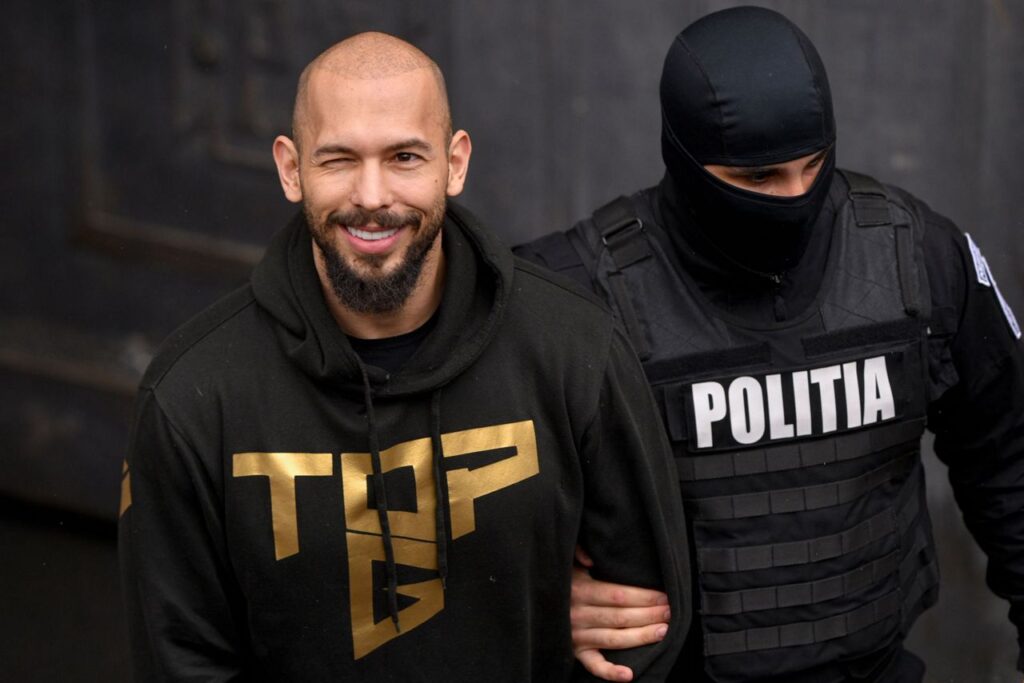
His emergence was not sudden, even if it looked that way to the public. Like many controversial personalities, he benefited from digital spaces where traditional gatekeepers mattered less than attention itself. Platforms rewarded clips that provoked strong emotion. Supporters shared them as motivation; critics shared them as warnings. Both sides helped spread the same name.
This is the strange engine of modern fame: opposition can become promotion. A figure does not need universal approval to grow. In fact, rejection can strengthen their image. The more critics describe someone as dangerous or unacceptable, the more loyal followers may see that person as fearless, censored, or misunderstood.
Tate’s public image was built around confrontation. He presented himself as confident, unapologetic, and outside the rules of polite society. For many young viewers, especially those drawn to certainty in a confusing world, that style felt powerful. For others, it felt alarming and harmful. But the conflict itself kept him visible.
Media coverage then completed the cycle. Once his videos reached enough people, major outlets began reporting on him. Bans, investigations, interviews, and public criticism did not remove him from attention; they often intensified it. Every new headline became another signal that he mattered.
His story reveals a larger pattern. Controversial figures usually rise through a sequence: first, they develop in small communities; then algorithms amplify them; then public backlash spreads them further; finally, institutions respond, turning the person into a symbol.
The lesson is not that controversy equals importance. It is that attention systems often reward intensity more than accuracy, nuance, or responsibility. In today’s media environment, a person can move from near-invisibility to global recognition not because everyone agrees with them, but because everyone feels pushed to react.
Andrew Tate’s rise is therefore more than a personal story. It is a case study in how digital culture manufactures public figures — slowly at first, then all at once.