

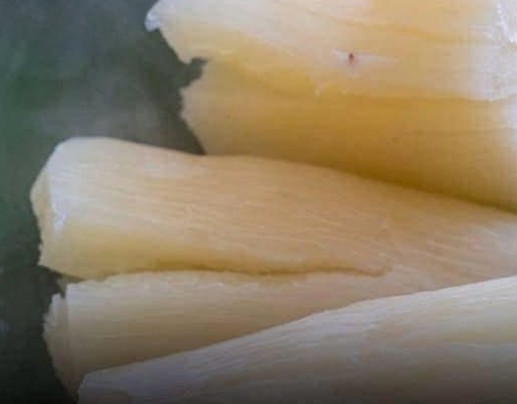
The danger of cassava lies in the fact that, when raw, it contains cyanogenic glucosides. When consumed or improperly processed, these substances can release toxic cyanide. That is why raw cassava should never be eaten without proper preparation.
According to the World Health Organization, improper consumption of cassava causes around 200 deaths worldwide each year. The greatest risk occurs in places where people are forced to eat it quickly or without proper processing — for example, during famine, war, or economic crises.
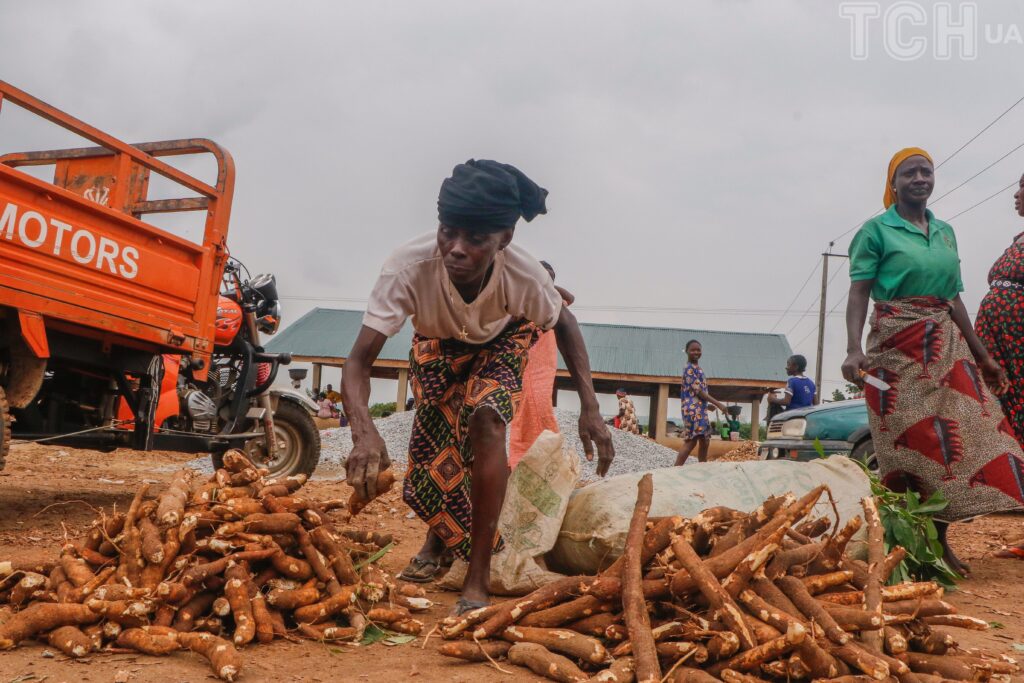
Cyanide poisoning can have very serious consequences. In some regions, long-term consumption of poorly processed cassava has been linked to konzo, an irreversible form of paralysis caused by toxic damage to the nervous system. This becomes especially dangerous when the diet is low in protein.
At the same time, cassava itself is not a “bad” product. The problem is not the plant, but how it is prepared. If the root is properly soaked, dried, or boiled, the level of harmful substances is significantly reduced. After that, cassava becomes a safe and nutritious food.
In many countries, it is used as a base for bread, porridge, flatbreads, side dishes, and even desserts. It helps millions of people survive, especially in regions where the climate makes it difficult to grow other crops.
So cassava is an example of how the same product can be both a source of life and a serious threat. Everything depends on knowledge, caution, and proper preparation.