


Only now, with his passing, has the world turned its eyes once again to Lee Tamahori, the New Zealand-born filmmaker whose unique artistry gave us Die Another Day, Once Were Warriors, and so many unforgettable stories. Tamahori has died at 75, after a long battle with Parkinson’s disease.
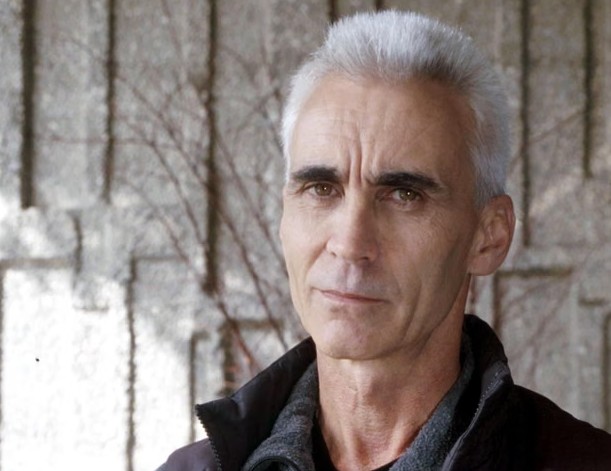
Born in Wellington in 1950 to a family of Māori and British descent, Tamahori’s path to fame was anything but ordinary. Before Hollywood came calling, he honed his craft behind the camera in New Zealand’s rugged film industry, working on cult classics like Goodbye Pork Pie and The Quiet Earth. But it was his explosive 1994 masterpiece, Once Were Warriors, that turned him into a global sensation — a raw, unflinching look at a Māori family’s struggle for survival that became New Zealand’s highest-grossing film at the time.
From there, Tamahori’s journey took him to Hollywood’s elite. He directed thrillers like The Edge with Anthony Hopkins and Along Came a Spider starring Morgan Freeman. Yet his most defining moment came in 2002, when he was chosen to direct Die Another Day, Pierce Brosnan’s final appearance as 007. The film — with its invisible car, icy villains, and Halle Berry’s unforgettable beach scene — became a global hit and marked the end of an era for Bond.
After his Hollywood years, Tamahori returned to his homeland, continuing to tell stories rooted in identity, history, and human conflict. His later works, including Mahana and The Convert, carried the same emotional depth that defined his early career.
His family, in a statement, said he died “peacefully at home,” surrounded by loved ones. “His legacy endures with his whānau, every filmmaker he inspired, every boundary he broke, and every story he told with his honest heart,” they said.
Lee Tamahori may have left this world, but his vision — the fusion of Māori soul and Hollywood spectacle — will forever remain part of cinema’s DNA.