

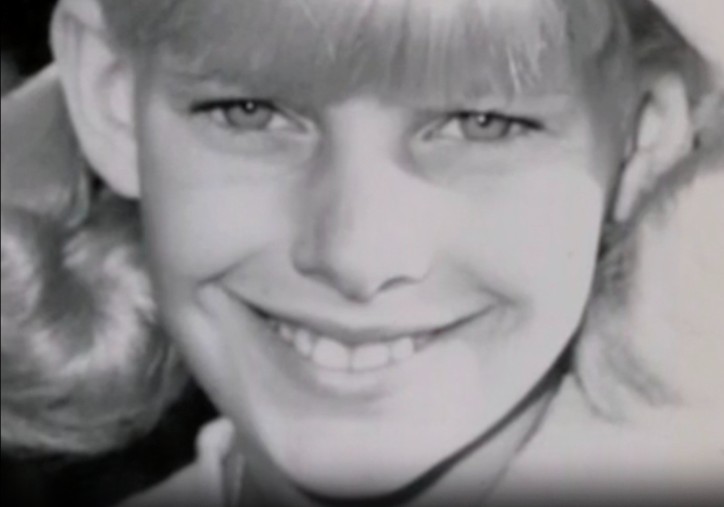
Only when investigators began unraveling a series of mysterious attacks on elderly women in quiet Southern California neighborhoods — break-ins without force, victims who trusted their visitor, and killers who vanished without a trace — did the truth finally surface.
A name that should have symbolized success and stability instead became synonymous with fear.
It was her — Dana Sue Gray.
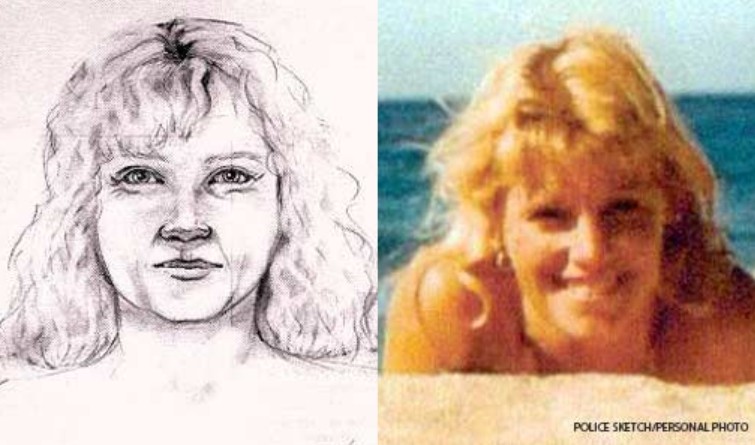
What made her so dangerous was how unremarkable she appeared. She didn’t look like a predator: she smiled warmly, dressed elegantly, radiated confidence. But it was behind this mask that she entered her victims’ homes, gained their trust, and killed them with her bare hands — strangling, cold, deliberate, merciless. Then she used their credit cards to go on extravagant shopping sprees, as if buying things somehow soothed her unrest.
Her earlier life had hardly been peaceful. The daughter of a former Hollywood starlet, she grew up surrounded by volatility, conflict, and emotional neglect. As an adult, she built a career in nursing, excelled in sports, traveled frequently, married — yet she spiraled deeper into debt, turmoil, and a desperate need for control. Losing her job, her home, and her marriage only fed the darkness already brewing inside her.
When detectives finally caught up with her, everything fell into place: credit card transactions, store clerk testimonies, a matching description, a rash of impulsive purchases. And the final clue came from the only victim who survived — the woman who remembered hearing a cold whisper above her as she slipped into unconsciousness: “Relax. Just relax…”
Today, Dana Sue Gray is serving life without parole. She claims she has changed, speaks of remorse, and advocates for the rights of female inmates. But for the families of the women she murdered, no apology — no matter how sincere — can restore what was taken.
Her story has appeared in documentaries, articles, and true-crime series, yet one truth remains the most unsettling:
Sometimes the monster has a face you swear you recognize.