

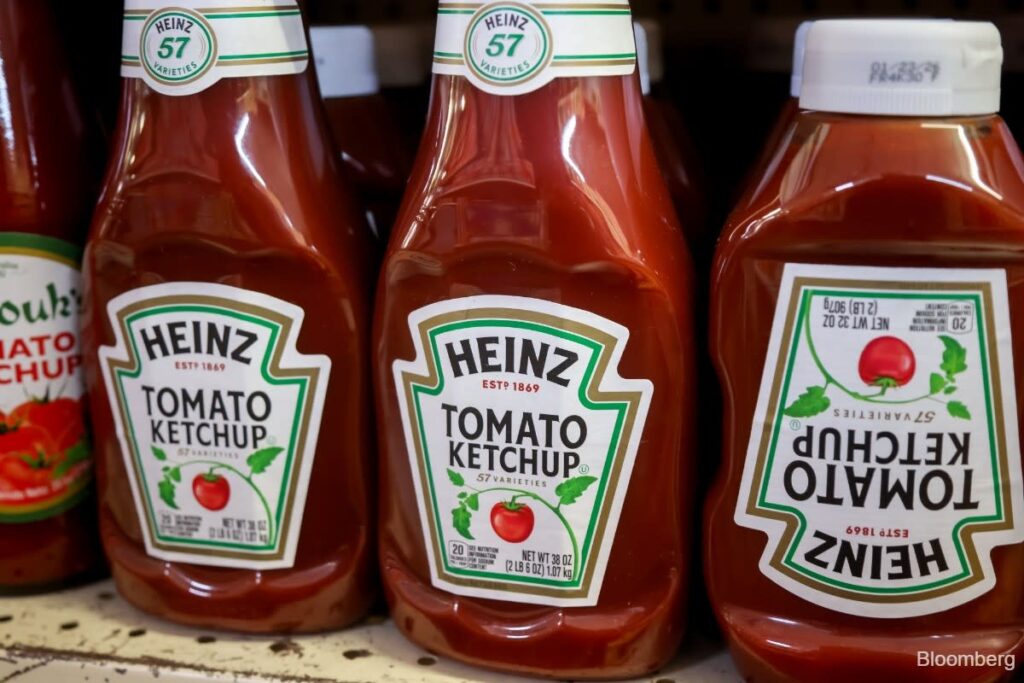
At the time, his company already produced far more than 57 products, so choosing that number was not about accuracy. Instead, it was about creating a message that felt memorable, distinctive, and easy for customers to recall. He understood that people often connect with simple ideas far more readily than long explanations or detailed statistics.
The number 57 also had a personal meaning. According to the story, Henry Heinz considered five to be his lucky number, while seven was especially meaningful to his wife. Combining the two created “57 Varieties,” a phrase that sounded pleasant, balanced, and catchy. It looked appealing in newspaper advertisements, stood out on product labels, and was easy to remember after seeing it only once.
Over time, the slogan became much more than a marketing campaign. Customers began associating the number with the Heinz brand itself. Most people never stopped to count how many products the company actually sold. Instead, “57 Varieties” came to represent abundance, quality, and a wide selection of products that consumers could trust.
More than 100 years later, the famous number remains an important lesson in communication and branding. The true genius of the campaign was its simplicity. Rather than overwhelming consumers with facts, figures, and product lists, Heinz gave them a single memorable symbol that sparked curiosity and stayed in their minds. The slogan created familiarity without requiring detailed explanations and helped build one of the world’s most recognizable food brands. Even today, the “57” printed on Heinz bottles serves as a reminder that the most powerful marketing ideas are often the simplest ones—clear, memorable messages that connect with people emotionally and remain unforgettable long after they are first seen.