

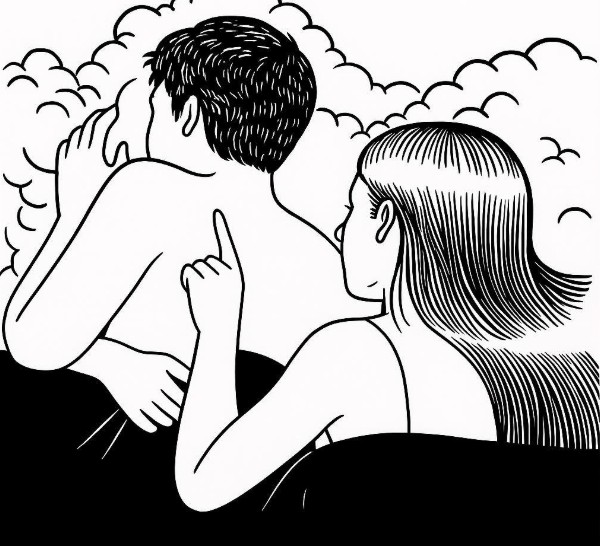
1. It May Simply Mean They Need Personal Space
Turning away during sleep can be a natural way of creating personal space. After a stressful day, some people need physical distance to fully relax and recharge. This does not automatically mean rejection or lack of love.
In fact, many couples sleep back-to-back while still feeling deeply connected. If your partner turns away but still gently touches you with their foot, leans against you, or stays close, it may simply be their preferred way to rest while maintaining closeness.
2. It Can Reflect Unspoken Tension
Sometimes, the body expresses what words do not. If there has been an unresolved argument, emotional discomfort, or tension that has not been discussed, physical distance during sleep may reflect that emotional gap.
A partner turning their back repeatedly, especially when combined with coldness, silence, or avoidance during the day, may be a sign that something needs to be addressed.
The best response is not accusation, but calm communication. A simple, honest conversation can often prevent small emotional distance from becoming something bigger.
3. It May Signal a Shift in Emotional Connection
In some relationships, changes in sleeping habits can reflect a deeper change in emotional intimacy. If a couple once slept close together and now regularly avoids contact, it may indicate that the relationship is going through a more distant phase.
This does not mean the relationship is ending. However, it can be a gentle warning sign that both partners may need to reconnect emotionally.
Instead of asking, “Why are you turning away from me?” it may be better to ask, “Are we okay? I feel like we’ve been a little distant lately.”
4. Long-Term Couples Often Sleep Differently
In long-term relationships, sleeping apart or facing away from each other is very common. Over time, couples often move from constant physical closeness to positions that allow better sleep.
This does not mean love has disappeared. In fact, it can show trust. When both partners feel secure, they may no longer need constant physical contact to feel connected.
In healthy relationships, love is not measured only by how close two bodies are during sleep, but by how safe, respected, and emotionally supported both people feel.
5. When Only One Partner Turns Away
If one partner consistently turns away while the other seeks closeness, there may be an emotional imbalance. One person may want more affection, while the other may need more space.
This situation should not become a silent source of resentment. It is better to talk gently and directly. Sometimes, a simple question before bed — “Are you okay?” — can open the door to a much-needed conversation.
Body Language Continues Even During Sleep
The way people sleep can sometimes reveal comfort, stress, emotional distance, or connection. But it should never be judged without context.
If your partner turns their back to you, do not immediately assume the worst. Look at the bigger picture: how they treat you during the day, how they communicate, whether affection is still present, and whether the relationship feels emotionally safe.
Sometimes, turning away means nothing more than wanting a better night’s sleep. Other times, it may be a quiet sign that the relationship needs more attention.
A gentle touch, a kind word, or a calm conversation without blame can often say more than any sleeping position ever could.